Unit 6 Protocol
Unit 6
Mark Attendance in Comments
Protocol:
Protocol is a diplomatic and political term that refers to appropriate
behavior and rules of
conduct for a particular situation or event. Protocol can also be a
more sophisticated word to use
to denote appropriate actions or rules in business
The word "Protocol" means the correct and appropriate way of
doing things. Organizations
need to equip staff with skills in protocol, etiquette and events
management through training.
This investment will build solid and productive relationships with
business associates and will
result in better outcomes for the organization.
The face to face communication opportunities created by events provide
business people with
the most powerful of opportunities to influence their colleagues,
clients and investors. Smooth
well run events reflect well on any business building its reputation
and standing.
In today's business and diplomatic world, Protocol has become a
sophisticated and a strategic
asset. Protocol guides how we behave socially, conduct business and
interact in specific situations.
This has positively impacted on how people live and work together, with
less friction caused at
times by barriers in the socio cultural environment that we operate in.
Traditionally protocol
tended to have a narrow definition and therefore was classified as of
operational rather than
strategic significance. Protocol is more than escorting visitors and
order of precedence. In
Government and corporate world, it enables people of diverse
backgrounds and social
orientations to carry on business in a friendly atmosphere and manage
today's complex and
cosmopolitan world with ease and finesse
Objectives of Protocol
Following are the prime objectives:
·
Increase
and strengthen participants' protocol and etiquette skills in handling
dignitaries.
·
Equip
participants with skills to navigate today's culturally diverse business
environment.
·
Develop
participants' skills in orchestrating VIPs visits, meetings, ceremonies and
special
·
events.
·
Identify
the various tasks in management of events and the human and physical resources
·
required to stage successful events.
·
Equip
participants with skills to organize events without the help of event
coordinators thus saving the organization some money.
·
Review and determine the different marketing
strategies appropriate for the event being managed.
·
Promote acceptable manners and respect for
others
Features of protocol
Titles, Dress for Formal Occasions, Protocol for Speakers
Inviting Guests
Invite them well in advance –At least 3 months
from event
A verbal contact followed by written confirmation is appropriate.
Also follow up one to two days prior to ensure all arrangements are in
order.
Discuss with them the following
:-
·
Purpose of the visit
·
Time allocated for the visit
·
Who will cover expenses of transport, meals,
parking and accommodation
·
Provision of a meal for their spouse
·
Any special needs?
·
Food, equipment. Indicate appropriate dress. Does
the guest require transportation/ accommodation
Protocol
for addressing a person /Titles
·
“sir” is generally considered as an acceptable alternative to the
formal address in both written and spoken greetings.
·
The use of “Madam “ or “Ma’am” for a female
addressee is acceptable.
·
This rule does not apply to religious or titled persons.
·
For greetings in which “Mr.” is used for men The
feminine equivalent may be “Madam” or, less formally, “Mrs.”, “Miss.”, or
“Ms.”.
·
And there is no formal rule for the use of
“Ms.”, the preference of the addressee should be respected. Dress for
Dress for formal occasions
·
The appropriate dress for formal occasions
should be included on the invitation.
·
This might include business attire for formal
day
·
functions Black or white tie for formal evening events.
·
Name badges should be worn on the right hand side.
So that when the hand is extended for a handshake,
the name badge is easily readable
PROTOCOL FOR SPEAKERS
·
Speakers need to be briefed in advance and
provided with a list of the guests to be welcomed, in order of precedence.
·
The timing and the length of speeches need to be discussed with the speakers before the
event and must also be canvassed with the chief.
SEATING PROTOCOL IN AN OFFICIAL
STATE FUNCTION
·
Correct seating arrangements for occasions§ such as awards ceremonies
and formal dinners must be observed by the event organizer.
·
Precedence at table can lead to hurt feelings
and indignation among families as well as diplomats.
·
Once you have determined who is of higher rank, then it is just a matter of placing
people around a table
RULES ON SEATING (FORMAL DINNER)
1.When there is but a single table, the host and hostess usually sit at
opposite ends. When multiple tables are needed, the host and hostess may be at
separate tables.
2. The highest ranking male generally sits to the right of the hostess.
The wife of the highest ranking
man, or the highest ranking women herself sits to the right of the host. 3. No
two women set side by side and no two men sit side by side
4.Married people are never
seated side by side, but those engaged are seated side by side whenever
possible.
5. The ranks for various persons is determined by the President of the
Country


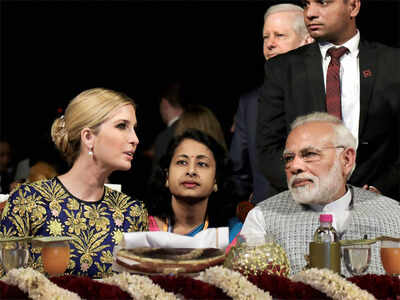
Table Manners:
·
Sit at the table facing the placement with arms
close to your side.
·
bite sized pieces and place onto fork
·
Do not place too much food on your fork
·
When eating food:- Chew the food with your mouth
closed and never talk while eating.
·
Don’t waive your cutlery around while you are
eating
·
If eating soup or any food that is liquid avoid
slurping the food.
Be mindful of other guests.
·
Avoid talking too loudly
·
Do not smoke at the table
·
Do not speak on the mobile phone while at the
table
PROTOCOLS OF FLAG FLYING
Display and usage of the flag is governed by the Flag Code of India,
2002
1. The National flag should be
hoisted at a height in a suitable manner
2. Whenever the flag is hoisted, it should occupy the position of
honour and be distinctly placed
3. Where the practice is to fly the flag on any Government building
4. When the flag is displayed
horizontally or at an angle from the window or balcony, of a building, the
saffron band must be upper most.
5. When the flag is flown during
a public meeting, the speaker should face the audience and the flag should be
displayed behind and to the right of the speaker
6.When the flag is carried in a procession or a parade, it should be
held in the right hand.
7.If there is a line of other
flags, the National flag should be in the middle.
8.No other flag should be
hoisted higher than the National flag.
9.The flag should not be used to
cover or decorate the speaker’s desk during any meeting.
10.The National flag should
never be displayed with the saffron band down.
11.The flag should not be
allowed to touch the ground or trail in water
12. The flag should not be
displayed or fastened in a manner which might damage it

Protocol for sporting ceremony
Opening game and closing ceremony( OLYMPICS)
The philosophy and ceremonial aspects which surround the Olympic Games
distinguish them from all other international sports events. Through
music, song, dance and fireworks, the opening and
closing ceremonies invite people to discover the culture of the
country in which the Games are taking place.
In addition to these celebrations, there are some very precise rituals
at the ceremonies. It was at the 1920 Games in Antwerp that most of this
protocol was put in place. It has been developed over subsequent editions of
the Games.
Today, Rule 55 of the Olympic Charter specifies some
of the protocol that has to be followed during the ceremonies and the words
used by the head of state of the host country to open the Games. The other main
points of the opening ceremony are:
- The entrance of the host country head of state
- The national anthem of the host country
- The parade by the participants
- The symbolic release of doves
- The opening of the Games by the host country head of state
- The Olympic anthem, played as the Olympic flag is brought into the stadium and hoisted
- The Olympic oath taken by an athlete
- The Olympic oath taken by an official
- The Olympic oath taken by a coach
- The final leg of the Olympic torch relay and the lighting of the cauldron
- The artistic programme
Olympic oath by Sports Players
when an athlete swears the Olympic oath at the opening ceremony, he or
she undertakes, in the name of all the other competitors, to abide by the rules
and take part in the competitions in a spirit of sportsmanship.
The taking of the Olympic oath by an athlete has been part of the
protocol of the opening ceremony since the 1920 Games in Antwerp. The text of
the oath, written by Pierre de Coubertin, was modified at the 2000 Games in
Sydney, and now includes a phrase affirming the athletes’ commitment not to use
drugs
.

Abhishek 00811002218
ReplyDelete04911002218
ReplyDeleteRahul Thapa
Aditya kr Tiwari
ReplyDelete00211002218
Shreyash Mishra
ReplyDelete02411002218
Mujahid Khan 020
ReplyDeletesachin verma 00711002218
ReplyDeleteVaibhav Dhandhoria
ReplyDelete01511002218
Tanvi Garg
ReplyDelete04011002218
Manoj Kumar Yadav
ReplyDelete00411002218
Akshita Nair
ReplyDelete04611002218
This comment has been removed by the author.
ReplyDeleteSoumen Ghosh
ReplyDelete00511002218
Vanshika Singh
ReplyDelete04311002218
Sumedha
ReplyDelete(0111002218)
Harsh kumar
ReplyDelete01311002218
Mafaz Rahman
ReplyDelete02211002218
Puru chitkara
ReplyDelete05211002218
Tarandeep Kaur
ReplyDelete03211002218
Gaganmeet Singh
ReplyDelete04711002218
Madhav chawla
ReplyDelete02811002218
Shivam
ReplyDelete01211002218
A batch
Modit Siddhartha
ReplyDelete01711002218
Ritvik Singh Jamwal
ReplyDelete05311002218
Samprabh siddhu
ReplyDelete05811002218
03011002218
ReplyDeleteKushagra
Amanpreet
ReplyDelete060
Sparsh kalrA
ReplyDelete06211002217
005110022117
ReplyDeleteRitu Mishra
06711002217
ReplyDeleteAshima
03511002217
ReplyDeleteGandharv Punyani
Rishabh rawat
ReplyDelete04911002217
Harshit Anand
ReplyDelete05811002216
ROHIT MANN
ReplyDelete06611002217
Suparav Sharma
ReplyDelete05511002217
Prateek Arora
ReplyDelete00311002217
Himanshu nand
ReplyDelete053
05711002217
ReplyDeleteUdayprit singh
04311002217
ReplyDeleteVishal
02211002217
ReplyDeletePIYUSH DEWAN
Abhishek Kumar 02411002217
ReplyDeleteDeepak sharma
ReplyDelete06511002217
04411002217 - Shivank Singhal
ReplyDelete02511002217
ReplyDeletePAARTH SHARMA
Naman yadav 04511002217
ReplyDelete05011002217
ReplyDeleteJeevesh Chadha
04811002217
ReplyDeleteUtkarsh Saxena
04011002217
ReplyDeleteAman Kumar Das
01211002217
ReplyDeleteDarpan Nagpal
02611002217
ReplyDeleteGautam Sharma
01911002217
ReplyDeleteMihir Bhasin
Kartike Agrawal
ReplyDelete03911002217
03811002217
ReplyDeleteMukta Luthra
03411002217
ReplyDeleteAkshita Nayyar
00211002217
ReplyDeleteSAURAV YADAV
05111002217
ReplyDeleteSimren Pal
041
ReplyDeleteRahul Sharma
5211002217
ReplyDeleteSHUBHANI MEHTA
06411002217-Simran Passi
ReplyDelete05811002217
ReplyDeleteShubham puri
Surjit Singh
ReplyDelete00411002217
00911002217- Vihan Bhardwaj
ReplyDelete01811002217
ReplyDelete03111002217
ReplyDeleteMohd Ubaid
03311002217
ReplyDelete01411002217
ReplyDeleteGautam Malhotra
02911002217
ReplyDeleteAkshit Dobriyal
Chaitali Mazumdar
ReplyDelete01111002217
01011002217
ReplyDeleteAditya Narula
Vipul gupta
ReplyDelete04711002217
03011002217
ReplyDeleteAkash Shukla
0061002217
ReplyDeleteSachin Gautam
0591100217
ReplyDeleteChander raj
Dhruv Jain
ReplyDelete05611002217
Vansh berry
ReplyDelete05411002217
rishabhgulati 00811002217
ReplyDeleteDhruv jain
ReplyDelete05611002217
05511002217
ReplyDeleteSuparav Sharma
Amanpreet
ReplyDelete060
018
ReplyDelete01411002217
ReplyDeleteGautam Malhotra
prajwal saini
ReplyDelete02711002217
009- Vihan Bhardwaj
ReplyDelete03311002217
ReplyDeleteSahil jha
00611002217
ReplyDeleteSachin Gautam
Shubham puri
ReplyDelete05811002217
03811002217
ReplyDeleteMukta Luthra
Harshit Anand
ReplyDelete05811002216
Naman yadav 04511002217
ReplyDelete04011002217
ReplyDeleteAman Kumar Das
Udayprit singh
ReplyDelete05711002217
Himanshu nand
ReplyDelete05311002217
Sparsh kalra
ReplyDelete06211002217
Surjit Singh
ReplyDelete00411002217
06711002217
ReplyDeleteAshima
00211002217
ReplyDeleteSaurav Yadav
05211002217
ReplyDeleteSHUBHANI MEHTA
03011002217
ReplyDeleteAkash Shukla
06411002217-Simran Passi
ReplyDeleteKartike Agrawal
ReplyDelete03911002217
Gandharv Punyani
ReplyDelete03511002217
04311002217
ReplyDeleteVishal
00511002217
ReplyDeleteRitu Mishra
025
ReplyDeletePAARTH SHARMA
05011002217
ReplyDeleteJeeveshchadha
02611002217 Gautam Sharma
ReplyDelete03111002217
ReplyDeleteMohd Ubaid
02411002217 Abhishek Kumar
ReplyDelete01211002217
ReplyDeleteDarpan Nagpal
Rishabh rawat
ReplyDelete04911002217
03411002217
ReplyDeleteAkshita Nayyar
Chander raj 059 , late comment due to network issue
ReplyDelete01911002217
ReplyDeleteMihir Bhasin
02911002217
ReplyDeleteAkshit Dobriyal
09611002217
ReplyDeleteSanchit gugnani
Harshita Sharma
ReplyDelete08011002217
PRIYANKA
ReplyDelete07111002217
Yashpreet Singh
ReplyDelete09511002217
Sukhvinder kaur
ReplyDelete10311002217.
Alfrazanjum
ReplyDeletePragati Gambhir
ReplyDelete08411002217
Gurleen Kaur 11711002217
ReplyDeleteMandeep Singh
ReplyDelete10711002217
Kartik kapoor
ReplyDelete07411002217
Radhika Sanwlani
ReplyDelete09311002217
Smilee Jaral
ReplyDelete75111002217
Sanchit Dhingra 08111002217
ReplyDeleteBharat
ReplyDelete087
Naminder Singh Dua
ReplyDelete11011002217
Sukhpreet Singh
ReplyDelete12511002217
Anurag Sharma
ReplyDelete11911002217
Tejas Malhotra 092
ReplyDeletePrateek singhal
ReplyDelete50211002217.
Krrish Marwah
ReplyDelete(11511002217).
Kartikey Gaur
ReplyDelete11611002217
Satvik Bhsrdwaj 08311002217
ReplyDeleteMandeep
ReplyDelete10411002216
Robin Chauhan
ReplyDelete12011002217
Satyam Kumar - 105
ReplyDeleteNaman Gupta
ReplyDelete12211002217
Khushboo
ReplyDelete06911002217
Vijay Rautela
ReplyDelete09411002217
Vivek Kumar
ReplyDelete07211002217
08311002217 rajeev upadhyay
ReplyDeleteNitish Rawat
ReplyDelete12411002217
Ishita Sachdeva 09711002217
ReplyDeleteRahul Sharma
ReplyDelete04111002217
Rohit Kathait
ReplyDelete08511002217
Shikha Tokas
ReplyDelete11811002217
Rishabh Gulati 00811002217
ReplyDeleteParv
ReplyDelete09911002217
08911002217
ReplyDeleteSanidhya arora
ReplyDelete08611002217
Kunal dhawan
ReplyDelete11311002217